
Do I need an SMSF?
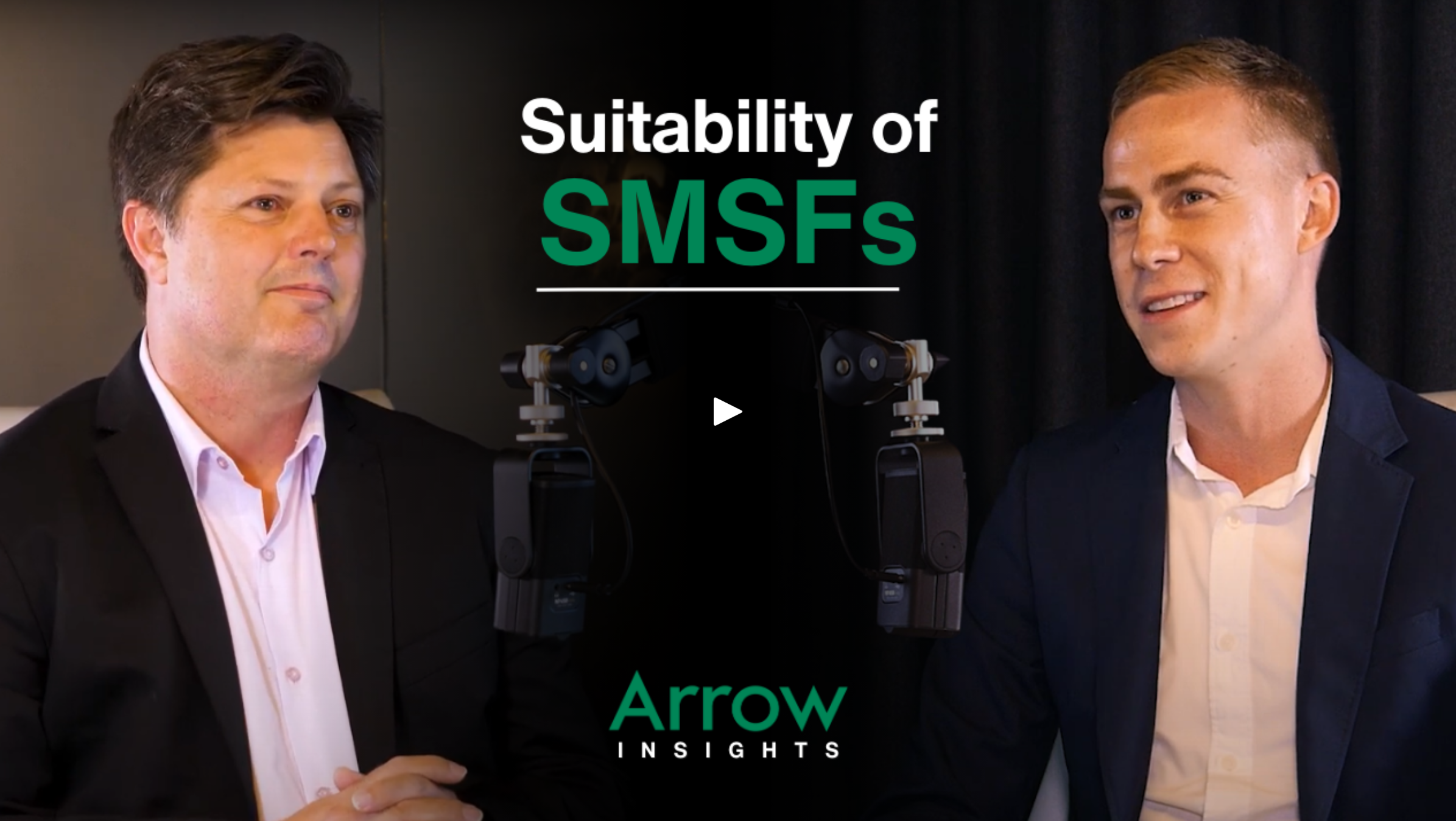
Self-Managed Superannuation Funds (SMSFs) are often positioned as the ultimate vehicle for retirement savings, offering control, flexibility, and tax advantages. However, they are not a one-size-fits-all solution. While an SMSF can be a powerful tool for the right investor, it can also be a costly and complex burden for others.
From a wealth planning perspective, the question isn’t just “Can I have an SMSF?” but “Should I have an SMSF?”

The benefits of an SMSF
For certain investors, an SMSF can offer significant advantages:
1. Greater Control Over Investments
With an SMSF, trustees have the freedom to select their own investments, including direct shares, property (subject to restrictions), managed funds, private equity, and even alternative assets like gold or cryptocurrency. This level of control allows for highly tailored investment strategies aligned with long-term wealth goals.
2. Tax Benefits and Structuring Opportunities
Like all super funds, SMSFs benefit from concessional tax rates:
Earnings are taxed at 15% in accumulation phase.
Capital gains are taxed at 10% if assets are held for more than 12 months.
Assets in pension phase attract no tax on earnings or income.
An SMSF also allows access to more flexible income and estate planning strategies, including reserving strategies for clients with more complex needs.
3. Estate Planning Flexibility
Unlike many industry and retail super funds, SMSFs offer greater control over how benefits are passed to beneficiaries. Trustees can set binding death benefit nominations that are more flexible than those available in public funds, potentially avoiding unnecessary tax consequences.
4. Ability to Pool Family Wealth
An SMSF can have up to six members, allowing families to pool their superannuation balances. This can create economies of scale, particularly where members have significant balances, making certain investment opportunities more accessible.
The challenges and risks of an SMSF
While the benefits can be compelling, SMSFs are not suitable for everyone. There are significant responsibilities and risks to consider.
1. Compliance Burden and Trustee Responsibilities
Running an SMSF means becoming both an investor and a trustee. Trustees must comply with strict regulations set by the Australian Taxation Office (ATO), including:
Preparing financial statements and tax returns.
Meeting minimum pension withdrawal requirements.
Adhering to the sole purpose test (ensuring the fund is run for retirement benefits, not personal gain).
Failure to meet obligations can result in severe penalties, including the loss of concessional tax treatment.
2. High Costs for Low Balances
SMSFs become cost-effective at a certain scale. The Australian Securities and Investments Commission (ASIC) suggests a minimum balance of around $500,000 to justify the costs, but even this can depend on the complexity of the investments and administration involved.
For lower balances, industry and retail super funds often provide a more cost-effective and lower-maintenance alternative.
3. Investment and Market Risks
With control comes responsibility. Unlike managed super funds, SMSF trustees bear full responsibility for their investment decisions. Poor asset selection, lack of diversification, or failing to rebalance portfolios appropriately can erode retirement savings.
4. Time Commitment and Expertise Required
Managing an SMSF takes time and financial knowledge. Even with professional advisers, trustees remain ultimately responsible. Those who prefer a hands-off approach to super may be better suited to a professionally managed fund.
Who should consider an SMSF?
An SMSF may be suitable for those who:
✔ Have a balance of at least $500,000 (preferably higher) to justify costs.
✔ Want greater control over their super investments.
✔ Have the time and willingness to meet trustee responsibilities.
✔ Have specific investment needs that public super funds don’t offer (e.g., direct property investment).
✔ Are comfortable seeking and paying for professional advice where needed.
Who should think twice about an SMSF?
An SMSF may not be suitable for those who:
✘ Have a balance under $500,000, where fees may outweigh benefits.
✘ Prefer a ‘set and forget’ approach to superannuation.
✘ Lack the time or expertise to manage investments and compliance.
✘ Want a simple, low-cost retirement savings strategy.
✘ Are uncomfortable taking on trustee responsibilities and risks.
A strategic decision, not just an option
Deciding whether to establish an SMSF is not just about access to investments—it’s about whether the structure aligns with your wealth management strategy, risk tolerance, and retirement goals.
If you’re considering an SMSF, it’s essential to seek tailored financial advice to ensure it is the right fit for your circumstances. The flexibility and control can be powerful tools, but only if they work to your advantage.
If you’d like to explore whether an SMSF suits your financial strategy, feel free to reach out to our team of professionals.
Also take a look at
More Insights





Latest Insights




General Advice Warning:
Any general advice on this page does not take account of your personal objectives, financial situation and needs, and because of that, you should, before acting on the advice, consider the appropriateness of the advice, having regard to your objectives, financial situation and needs. Information contained on this page was correct at the time of posting.