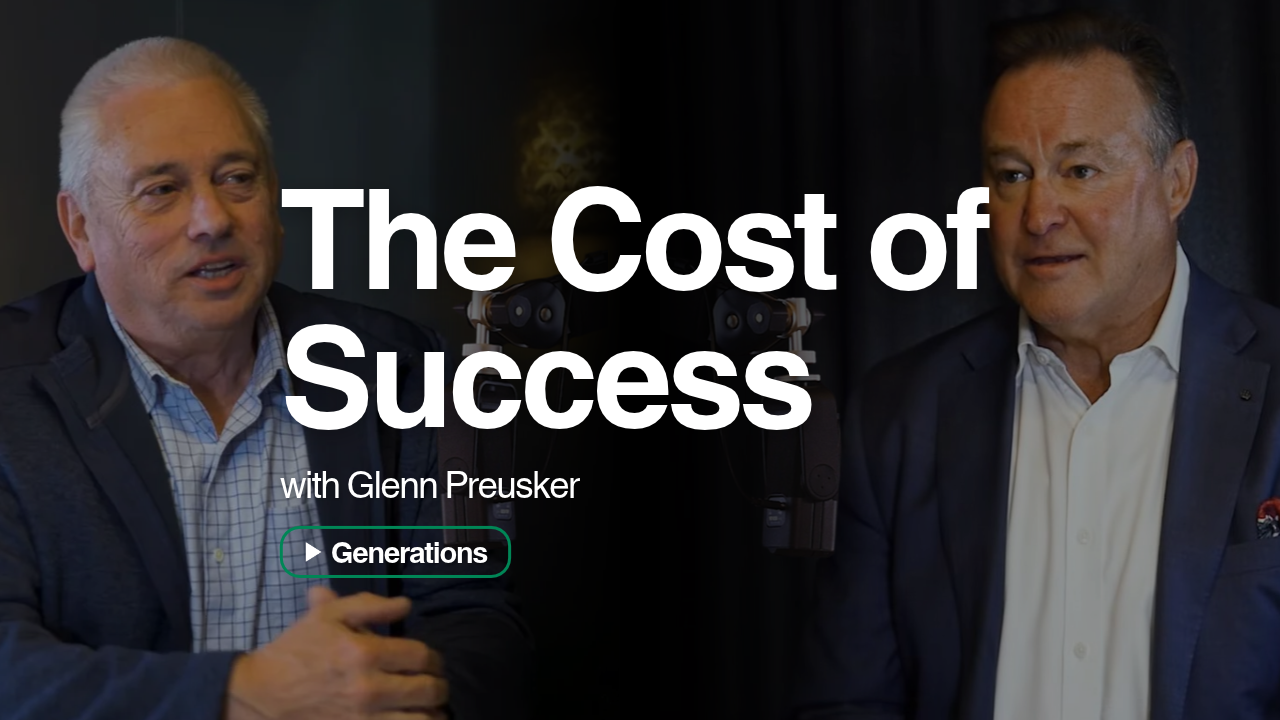
Why your business is both your greatest asset and greatest financial risk

Peter Leggett warns that having a successful business doesn’t remove financial risk if you don’t put safeguards around your personal wealth.
For many business owners, the business is their greatest financial asset. Yet it can also be their greatest financial vulnerability.
One of the under recognised challenges for business leaders today is that they have too much investment in one asset.
Another of the biggest mistakes successful business owners make is assuming that because their business is valuable, their personal financial future is secure. The pandemic exposed how quickly circumstances can change when personal wealth is almost entirely tied to a single business asset.
Business owners spend years building an incredibly valuable enterprise, but many fail to build personal wealth outside the business. A successful business is not the same as financial security if all of your wealth depends on that one asset.
It can be hard to manage the tension, the time management between running their business, family, and also their personal wealth, particularly in changing circumstances where priorities seem to clash.
There is always misalignment. There is always the aspiration rather than the execution. And there is always a gap there, and sometimes there is a gap between what people say they want and how they are actually going about it.
Time is precious
The classic example, probably for both our worlds, is the holiday house to have great family time. But working in the business to fund that holiday house keeps them away from that very thing. There are lots of other ways people could create family time, particularly now with Airbnb, where they could host the whole family for a weekend and not have all of that other expense that takes away time.
As such, it is about having real conversations with people to help them get clear about their actions, their intentions, how those are lining up, and how the finances or business success they are having can help facilitate those things in the best way they want life to be.
Men, in particular, are not good at confronting these sorts of issues. They think, “I’m working hard to provide for my family,” and yet the kids grow up and dad never went to speech night, never went to see their graduations, and never saw them play competitive sport through their higher school years. Then dad wants to be part of their life. But they say, “Dad, you weren’t there before.” We see this tension often.
Start planning
Planning should begin with a much broader question than investment returns or tax strategies. Before discussing portfolios, business owners should be asking themselves what they actually want their wealth to achieve. The first conversation shouldn’t be about money. It should be about what matters most in life and whether your business and your financial decisions are helping you build that life. That distinction is becoming increasingly important as business owners juggle competing demands from their businesses, their families and ageing parents while also planning for retirement.
Too many entrepreneurs spend decades working to provide a better future for their families, only to discover they have sacrificed the very relationships they were trying to protect.
The greatest regret we hear isn’t that people wished they had accumulated more money. It’s that they missed family milestones, important moments with their children, or simply didn’t have enough time with the people who mattered most.”
For this reason, it’s key for business owner to define success across different stages of life rather than viewing wealth as an end in itself. Decisions about growing a business, investing, retirement and succession should all support a clear picture of what a successful life looks like today, in five years’ time and across the next generation.
Prioritise financial literacy
As Australia enters the largest intergenerational transfer of wealth in its history, for example, conversations around money need to happen much earlier. Wealth doesn’t transfer successfully because the paperwork is in order. It transfers successfully because families have had honest conversations about their intentions, expectations and responsibilities well before a crisis occurs. That includes regularly reviewing wills and estate plans as family circumstances change, rather than treating them as documents that are written once and forgotten.
Financial capability also begins well before adulthood. Teaching children about saving, delayed gratification and making thoughtful spending decisions is one of the most valuable investments parents can make, helping prepare the next generation to manage wealth responsibly rather than simply inherit it.
For business owners approaching retirement, the challenge often changes again. Instead of asking whether they have enough, many need help transitioning from a lifetime of accumulating wealth to confidently using it to enjoy retirement, support family and pursue experiences that matter most.
Perhaps the most consistent lesson is that financial success is rarely about chasing more. It is about making intentional decisions, living within your means and ensuring your money serves your life rather than allowing your life to become consumed by building wealth.
Good wealth planning isn’t simply about growing assets. It’s about creating the financial freedom to live the life you value most, while giving future generations the confidence and capability to do the same.