
Subscription Addiction
It's that time of the month again, Netflix has just charged you another $13.99 for accessing their library of films and shows because you’ve forgotten to cancel that subscription you activated 13 months ago. Or maybe you use Stan, Fetch, Amazon Prime or possibly you’re hanging out for the release of Disney+. Unless you’ve been off the grid for the last few years you may have noticed almost anything and everything is moving towards a subscription model. Now you can access all the cloud storage you’ll ever need or have your shaving blades delivered to your door for just a small, convenient monthly payment. But what’s the big deal? Why are so many companies transitioning towards this model?
Many analysts would suggest that the transition to a subscription-based model was perfected by software company Adobe in the early 2010s. The company launched a plan to switch their software model from a perpetual sales model to a subscription model attempting to boost somewhat stagnating revenues. By mid-2013 Adobe only offered their software suite (which includes popular programs such as Photoshop) to consumers through their creative cloud subscription service. Whilst there was initial criticism from consumers, investors applauded the move. In the subsequent years, Adobe’s revenues grew significantly, from $4,055 million in 2013 to over $9,000 million in 2018, more than doubling income in the space of 5 years. The move was also well received on Wall Street with the stock returning over 300% to investors since the start of 2014, encouraging many other companies to follow suit.

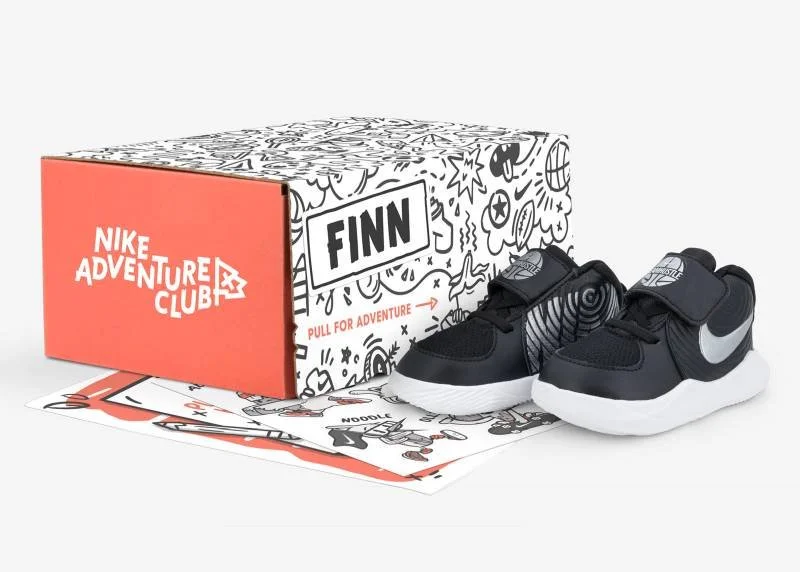
Earlier this year, Nike launched its “Adventure Club” subscription service. The service is designed to “make shopping easier for parents who struggle to keep up with their quickly growing children’s shoe needs”. From $30 a month, you can have a fresh pair of sneakers for your child conveniently delivered to your door every six months. Now whilst this may only seem attractive to a small portion of parents, to investors and analysts it’s a moneymaker. This subscription builds a stable revenue stream and brand loyalty, stifling competitors. Who knows, some parents may even decide to upgrade to 12 pairs ($75 a month) a year package.
What makes this model so appealing is the ability for companies to switch to a stable, predictable and forecastable set of recurring revenues. This allows equity analysts to create more accurate modelling which may result in an increased conviction and more buy recommendations, potentially driving stock prices higher. Additionally, and perhaps cheekily, the model allows companies to receive revenue from inactive clients as many users are either too busy or lazy to cancel a subscription. Traditionally, the video rental shop never received any revenue when you opted to watch Anchorman for the 7th time over renting a new release.
Another benefit of the subscription model is the vast amount of data they can collect from their customer base. If their customer base remains stable over time, this would give a good indication that their customers are satisfied with the service. Alternatively, higher rates of customer churn may indicate that their service needs to change. After all, a recurring revenue model works best if the revenues recur. This mass of data also provides plenty of opportunities to upsell, which can increase margins at very little additional cost to the provider.
As consumers, we must remain conscious of this move towards a subscription-based society and identify where we are and aren’t being provided with value for our money. Music streaming platform Spotify provides a subscriber with access to almost every kind audio for just $11.99 per month, or essentially the price of one record per month. This is solid value so long as you listen to more than one record per month. Some other subscription-based services seem like a grab for cash. The Nike offering may seem slightly excessive, however, there is very little downside for Nike to offer such a service.
Ultimately it comes down to usage. Much like that gym membership you signed up for on January 1, it’s only valuable to you if you use it, but to the business, it’s valuable for as long as you’re subscribed.