Understanding Reverse Mortgages
Are your retirement assets insufficient to cover the ever increasing cost of living? Do you have large unexpected expenses in retirement? If you answered yes and you own your own home, a reverse mortgage may provide a solution.
WHAT IS A REVERSE MORTGAGE?
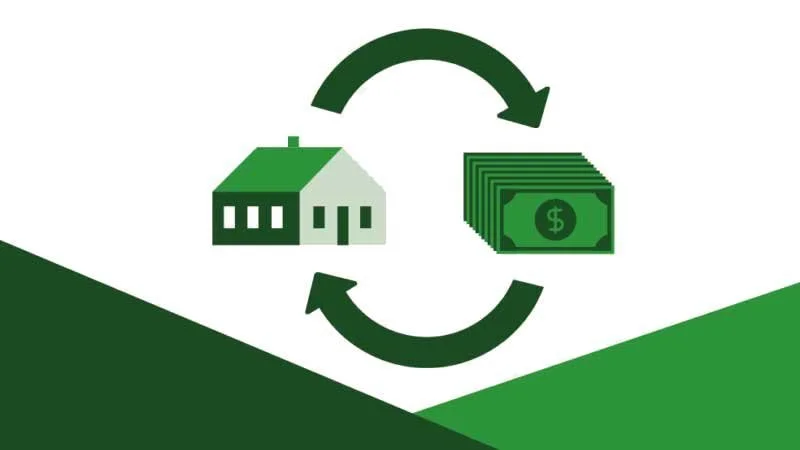
Quite simply, a reverse mortgage allows you to tap into the equity you have in your own home without the need to sell the property. The money you access can be used for any purpose.
It is generally a lifetime loan, which means you do not need to make any repayments while you are still living in the home. The interest and expenses are added to the loan and compound over time. The loan must generally be repaid when your home is sold or you (and your spouse) no longer live in the home, for example you move into residential aged care or pass away.
Most providers of reverse mortgages will give you the option to take the amount borrowed as a lump sum, as a series of regular payments (like an income stream) or a combination of the two.
FEATURES OF A REVERSE MORTGAGE
Interest rates on reverse mortgages are generally a bit higher than standard home loan rates. Depending on options allowed by the lender, the rate can be fixed for a term or for the life of the loan or you can se-lect a variable rate. Repayments are not required, but you may have an option to make repayments to reduce the debt owing, but some providers may charge a penalty.
The No Negative Equity Guarantee is a vital feature to look for in any reverse mortgage loan as it ensures that you (or your estate) can never owe more than the value of the home, no matter how long you stay in the home.
A Protected Equity Option is offered by some providers and allows you to ensure you retain a portion of the home's future value upon sale. This feature can be particularly attractive where you (and your benefi-ciaries) may be concerned about leaving an inheritance
CENTRELINK IMPLICATIONS
If you are in receipt of a Centrelink benefit such as the age pension, a reverse mortgage may impact on how much you continue to receive. As a general rule, the impact on the assets and income tests may be more favourable if the reverse mortgage is taken as regular payments instead of a lump sum.
We can assist you to understand the impact a reverse mortgage would have on your Centrelink entitle-ments.
WHO ARE REVERSE MORTGAGES APPROPRIATE FOR?
People who can most benefit from a reverse mortgage include those who:
Wish to top-up their existing income from investments and/or Centrelink entitlements, by tapping into the equity in their home. This may also include those who had a superannuation income stream that has been exhausted
Need urgent access to money for a special purpose such as medical expenses, travel, home im-provements or purchase of a vehicle, for example
Might consider downsizing to free up capital to fund retirement. As an alternative, for people who are happy living in their current home, a reverse mortgage may allow them to stay where they are but re-lease equity in the home
FAMILY CONSIDERATIONS
It may be worthwhile involving your family and beneficiaries when considering taking out a reverse mortgage. A reverse mortgage has the potential to impact on the value of the estate you leave behind – it is also possible that there can be no equity left in the home when it is eventually sold.
WANT TO LEARN MORE?
Contact us and we can explain whether a reverse mortgage is appropriate for you.